
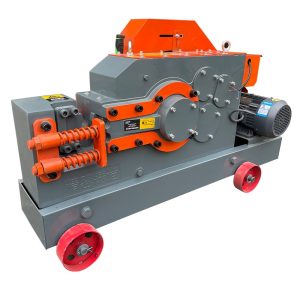
Complete Troubleshooting Manual for Steel Bar Cutter
This complete rebar cutter troubleshooting guide helps you quickly diagnose and fix common faults of steel bar cutters, including motor problems, intermittent operation, hydraulic pressure issues, and mechanical jamming on construction sites.
1. Foot Switch & Start-Stop Faults
No response when stepping on the foot switch
- Check if the emergency stop button is pressed, reset it immediately.
- Inspect foot switch and connecting wires for breakage, looseness or poor contact.
- Verify the main power and control circuit are powered on normally.
Machine runs intermittently, on and off randomly
- Fasten loose wiring terminals and repair frayed wires.
- Replace worn or faulty foot switch.
- Check for loose contacts inside the electric control box.
Can only operate with manual button, foot switch invalid
- Confirm foot switch circuit is not disconnected.
- Check the switching mode of control circuit, switch to foot control mode.
Cannot stop running after releasing foot switch
- Internal contact of foot switch is stuck, replace the switch.
- Check if AC contactor in electric box is bonded, replace faulty contactor.
2. Electrical & Power Supply Faults
Whole machine totally powerless, all indicators off
- Check external power supply, circuit breaker and leakage protector; reset tripped switches.
- Inspect main power cord for breakage or poor connection.
- Check if the fuse inside electric control box is blown, replace with same-specification fuse.
Trips immediately after powering on
- Stop repeated power-on operation. Check circuits for short circuit, water ingress or insulation damage.
- Detect motor leakage; repair or replace the motor if abnormal.
- Check internal wiring of electric box for wire touching metal shell.
Motor hums but fails to rotate
- Three-phase power loss or unbalanced voltage, test and fix power supply.
- Motor wiring loose or phase sequence wrong, rewire firmly.
- Mechanical jamming causes overload, eliminate stuck faults first.
Motor runs slowly and lacks power
- Low input voltage or thin power cables, replace qualified thick wires.
- Motor winding aging or partial short circuit, overhaul the motor.
- Excessive mechanical load caused by stuck parts.
Motor overheats severely
- Avoid long-time continuous overload cutting. Stop the machine to cool down regularly.
- Check bearing wear and mechanical jamming, add lubricant or replace parts.
- Poor motor heat dissipation, clean dust on motor surface.
3. Cutting & Working Abnormality Faults
Steel bar cannot be cut through completely
- The cutting blade edge is blunt or damaged, grind or replace the blade.
- The gap between upper and lower blades is too large, adjust blade clearance.
- Hydraulic pressure insufficient (hydraulic model) or spring elasticity weakened (mechanical model), adjust pressure or replace spring.
Steel bar shifts during cutting, cutting position offset
- Guide groove wear or loose fixing, fasten and repair the guide device.
- Clamping mechanism loose, adjust clamping tightness to fix steel bar firmly.
- Machine body placed unevenly, level the equipment.
Difficult to feed steel bar, feeding stuck
- Foreign matters, iron scraps stuck in the feeding channel, clean thoroughly.
- Guide block deformed or misaligned, correct or replace accessories.
- Blade installation deviation, readjust blade position.
Cutting length inconsistent, dimensional error large
- Positioning baffle loose or displaced, fasten and calibrate the baffle.
- Limit switch worn or position drifted, readjust or replace limit switch.
- Mechanical positioning parts wear, repair worn components.
4. Mechanical Jamming, Abnormal Noise & Vibration
Obvious jamming when cutting, laborious operation
- Iron scraps and sundries accumulated inside the machine body, clear all debris.
- Transmission shaft, shaft sleeve lack lubrication, fill grease regularly.
- Gear, connecting rod mechanism stuck or deformed, overhaul and correct.
Abnormal noise during operation
- Harsh friction sound: Check blade, guide block and contact parts for friction; adjust gap.
- Clattering impact sound: Loose fixing bolts of internal transmission parts, fasten all screws.
- Buzzing gear noise: Gear wear or lack of oil, add lubricant or replace gears.
Severe vibration during running
- Machine placed on uneven ground, pad the base to keep horizontal.
- Anchor bolts loose, tighten all foundation fixing screws.
- Rotating parts unbalanced or bearing damaged, replace bearings.
Transmission parts idle, blade does not move while motor runs
- Belt loose/slipping (belt-driven type): Adjust belt tension or replace worn belt.
- Gear key, connecting pin fallen off or broken: Disassemble for inspection and replacement.
- Coupling damaged or disconnected, repair or replace coupling.
5. Hydraulic System Faults (Hydraulic Steel Bar Cutter Exclusive)
Hydraulic pressure insufficient, weak cutting force
- Hydraulic oil level too low, add hydraulic oil of specified model.
- Hydraulic oil deteriorated or mixed with impurities, drain old oil and replace with new oil.
- Hydraulic pump, sealing ring worn or internal leakage, repair hydraulic components.
Oil leakage of hydraulic cylinder and pipeline
- Oil seal, gasket aging and damaged, replace sealing parts.
- Pipe joint loose, tighten the threaded joint.
- Hydraulic pipe cracked, replace the damaged oil pipe.
Hydraulic cylinder moves slowly or acts sluggishly
- Hydraulic oil viscosity too high or temperature too low, preheat the machine properly.
- Oil filter blocked, remove and clean the filter screen.
- Solenoid valve stuck, disassemble and clean the valve body.
6. Lubrication & Daily Maintenance Reminders
- Add grease to all rotating shafts, bearings and transmission parts every day.
- Replace hydraulic oil and clean oil circuit every 3 months for hydraulic models.
- Remove iron scraps inside the machine after daily work to avoid jamming.
- Regularly check all fastening screws, blades and wearing parts for timely replacement.
English Version (for website release)
Complete Troubleshooting Manual for Steel Bar Cutter
Field-oriented troubleshooting guide for common faults, classified by categories for easy on-site use.
1. Foot Switch & Start-Stop Failures
No response when stepping on the foot switch
- Check and reset the emergency stop button if activated.
- Inspect the foot switch and connecting wires for breakage or loose connection.
- Confirm the main power and control circuit are energized normally.
Intermittent operation
- Fasten loose terminals and repair damaged wires.
- Replace the defective foot switch.
- Check loose contacts inside the electric control box.
Manual button works but foot switch fails
- Troubleshoot broken foot control circuit.
- Switch the control mode to foot operation.
Machine keeps running after releasing foot switch
- Replace the foot switch with stuck internal contacts.
- Check and replace the bonded AC contactor in the electric box.
2. Electrical & Power Supply Failures
Total power failure, all indicators off
- Check external power, circuit breaker and residual current protector; reset tripped devices.
- Repair broken main power cables.
- Replace the blown fuse inside the electric control box with a new one of the same specification.
Power trips immediately after switch-on
- Do not repeatedly switch on power. Inspect circuits for short circuit, water ingress and insulation damage.
- Test motor for electric leakage and repair or replace the faulty motor.
- Check internal wiring to eliminate contact with metal shell.
Motor hums without rotation
- Fix three-phase power phase loss or unbalanced voltage.
- Rewire loose motor cables and correct wrong phase sequence.
- Remove mechanical jamming causing overload.
Low motor speed and insufficient power
- Use qualified thick cables to solve low voltage or thin wire issues.
- Overhaul aging or partially shorted motor windings.
- Eliminate excessive load from mechanical jamming.
Motor overheating
- Avoid long-time overload operation; stop for cooling periodically.
- Replace worn bearings and add lubricant; clear mechanical stuck faults.
- Clean dust on the motor to ensure good heat dissipation.
3. Cutting Function Failures
Steel bar cannot be fully cut
- Grind or replace blunt or damaged cutting blades.
- Adjust the gap between upper and lower blades to the standard range.
- Adjust hydraulic pressure (hydraulic type) or replace failed return spring (mechanical type).
Steel bar shifts during cutting
- Fasten or repair worn guide grooves.
- Adjust clamping device to fix steel bars stably.
- Level the uneven machine base.
Steel bar feeding is stuck
- Clean iron scraps and foreign matters in the feeding channel.
- Correct or replace deformed guide blocks.
- Readjust misinstalled blades.
Unstable cutting length with large error
- Fasten and calibrate the displaced positioning baffle.
- Readjust or replace drifted or worn limit switches.
- Repair worn mechanical positioning parts.
4. Mechanical Jamming, Noise & Vibration
Cutting jams and laborious operation
- Thoroughly clean accumulated iron scraps and sundries inside the machine.
- Fill grease for dry shafts and shaft sleeves regularly.
- Overhaul and correct deformed or stuck gears and connecting rods.
Abnormal operating noise
- Friction noise: Adjust gap between blades and guide parts.
- Impact clatter: Tighten loose bolts of transmission components.
- Gear buzzing: Add lubricant or replace worn gears.
Severe machine vibration
- Level the equipment on uneven ground.
- Tighten all loose anchor bolts.
- Replace damaged bearings and balance rotating parts.
Transmission idling, blade stationary while motor running
- Adjust belt tension or replace slipping/worn belts (belt drive type).
- Replace fallen or broken gear keys and connecting pins.
- Repair or replace damaged couplings.
5. Hydraulic System Failures (Hydraulic Steel Bar Cutter Only)
Insufficient hydraulic pressure & weak cutting force
- Add qualified hydraulic oil to the standard liquid level.
- Drain deteriorated oil, clean the circuit and refill new hydraulic oil.
- Repair worn hydraulic pumps and sealing rings with internal leakage.
Oil leakage from cylinders and pipelines
- Replace aging oil seals and gaskets.
- Tighten loose pipe joints.
- Replace cracked hydraulic hoses.
Slow or sluggish cylinder movement
- Preheat the machine when hydraulic oil has excessive viscosity or low temperature.
- Dismantle and clean the blocked oil filter.
- Disassemble and clean the stuck solenoid valve.
6. Lubrication & Daily Maintenance Notes
- Apply grease to rotating shafts, bearings and transmission parts every day.
- Replace hydraulic oil and clean oil circuits every 3 months for hydraulic models.
- Clean internal iron scraps after daily work to prevent jamming.
- Regularly check fasteners, blades and wearing parts and replace them timely.